A well-crafted outdoor space changes how you live at home. It draws people outside after dinner, turns weekends into slow mornings on the patio, and makes a small property feel generous. The difference between a yard and an outdoor oasis usually comes down to planning, craftsmanship, and discipline in maintenance. That is where a thoughtful partnership with a landscaping company pays off. The right team brings landscape design services, horticultural knowledge, construction skills, and ongoing landscape maintenance services under one plan that fits the property and the way you want to use it.
What follows is a practical guide from the early sketch through long-term lawn care and garden landscaping. I will point out places where homeowners tend to miss value, share a few numbers you can use for budgeting, and explain what a landscaping service actually handles behind the scenes.
Start with purpose, not plants
An outdoor oasis is less about a collection of plants and more about how you move, sit, cook, and gather outside. Before you think about roses or pavers, write down how you want the space to work. A family with young kids needs sightlines from the kitchen to a play area. A couple that hosts often wants a cooking station near seating, with lighting that makes the space inviting but not harsh. In a dry climate, you might prize dappled shade and a cooling water sound. In a cold region, you might want a four-season view and a patio that clears without ice dams.
A seasoned landscape designer will spend the first meeting talking about use patterns. They will ask where the sun hits at 4 p.m. in July, how water moves during a thunderstorm, what views you love or want to block, and how much time you will realistically give to upkeep. Those answers shape the site plan and the material choices. Early clarity here can save thousands later by preventing rework. One client in a coastal market I worked with wanted a fire feature, then discovered after framing that prevailing winds sent smoke into the house. We reoriented by 30 degrees and tucked in a hedge to buffer the wind. Had we caught that during design, the change would have cost nothing.
The site speaks first
Every site carries constraints and gifts. A gentle slope can become a terraced garden with built-in seating. A heavy clay soil wants drainage upgrades before you lay sod or plant a single boxwood. A west-facing wall radiates heat into the evening, which dictates plant selection and shade solutions. Good landscape design services start with measurement and testing. At minimum, your landscaping company should produce a scaled plan, shoot elevations, verify property lines, and run a soil test. For slopes greater than 10 percent or for projects near wetlands, expect a civil engineer to sign off on grading and drainage.
Here are common site issues that need attention early:
- Poor drainage and soil compaction. Aeration and organic matter can fix a lot, but French drains, swales, or permeable pavers may be required to move water. In heavy clay, budget for 2 to 4 inches of compost blended into the top 6 to 8 inches of soil before any garden landscaping happens. Sun, wind, and heat. Map the sun angles in June and December. Note wind direction. A pergola with a louvered top, a deciduous shade tree, or even a well-placed trellis can drop surface temperatures by 10 to 15 degrees on a patio. Utilities and codes. Before excavation, local utility marking is non-negotiable. Gas lines, irrigation mainlines, and electrical runs are easy to damage. Check zoning for setbacks and height limits. Many towns require permits for retaining walls over 3 to 4 feet, or for any gas-fed fire feature.
None of this is glamorous, but it separates a lasting landscape from a seasonal face-lift.
Design the bones before the blooms
The bones are the structure: patios, walkways, walls, steps, arbors, and the main plant masses. When those are right, seasonal color becomes icing rather than camouflage. In practice, this often means allocating more budget to hardscape and shade trees than to perennials or annuals in year one. The plants will fill in, while the structure sets traffic, views, and function.
Pathways are a small detail that carries outsized impact. If you under-size them, people cut corners and wear tracks into your lawn. A functional main path should be at least 48 inches wide to let two people walk side by side. Secondary garden paths can narrow to 30 to 36 inches. Where a path meets a patio, keep the transition flush, especially if strollers or wheelchairs are part of your life. For steps, plan risers between 5 and 7 inches with 12-inch treads for comfortable walking.
As for patios, choose materials that fit your climate and use. Natural stone is beautiful, but some varieties spall or flake in freeze-thaw cycles. Concrete pavers handle winter better and allow easy repair, but they read more uniform. Poured concrete gives a clean look at a lower price per square foot, though it needs a control joint pattern and can crack if subbase prep is sloppy. In regions with expansive soils, a well-compacted gravel base and geotextile fabric prevent movement. A reputable landscaping service will insist on these details, and they are right to.
Water, shade, and heat define comfort
Comfort outside is largely a function of temperature and humidity, which you can shape. Even in warm climates, a shaded seating area extends outdoor time by hours. A pergola or shade sail offers quick relief, but the most durable shade comes from trees. A deciduous tree on the southwest corner of a patio cools summer afternoons while letting winter sun pass through. Figure on a 2 to 3 inch caliper tree for immediate impact, with staking and irrigation during establishment. This is an investment, and it is one a landscaping company should size and site carefully to avoid root conflicts with foundations or utilities.
Water features add sound and a sense of movement. They do not have to be grand. A simple basalt column bubbler set into river rock uses a hidden basin and recirculating pump. It muffles street noise and cools nearby air slightly through evaporation. If you like the idea of a pond, know that it shifts your maintenance responsibilities. A balanced pond needs plant coverage on 50 to 60 percent of the surface, a biological filter, and string algae control in late spring. Many homeowners underestimate this and end up frustrated. A good provider will outline the maintenance load up front.
Fire has its own gravitational pull. A gas fire bowl starts instantly and avoids smoke, so it works in compact neighborhoods. Wood-burning fires deliver more romance and cost less to install, but codes often limit them. For a built-in fire pit, keep a 6 to 7 foot clearance zone for seating and circulation. Where possible, position fire near a windbreak or incorporate a low wall to steer smoke up and away from the house.
Plant with intention, then edit over time
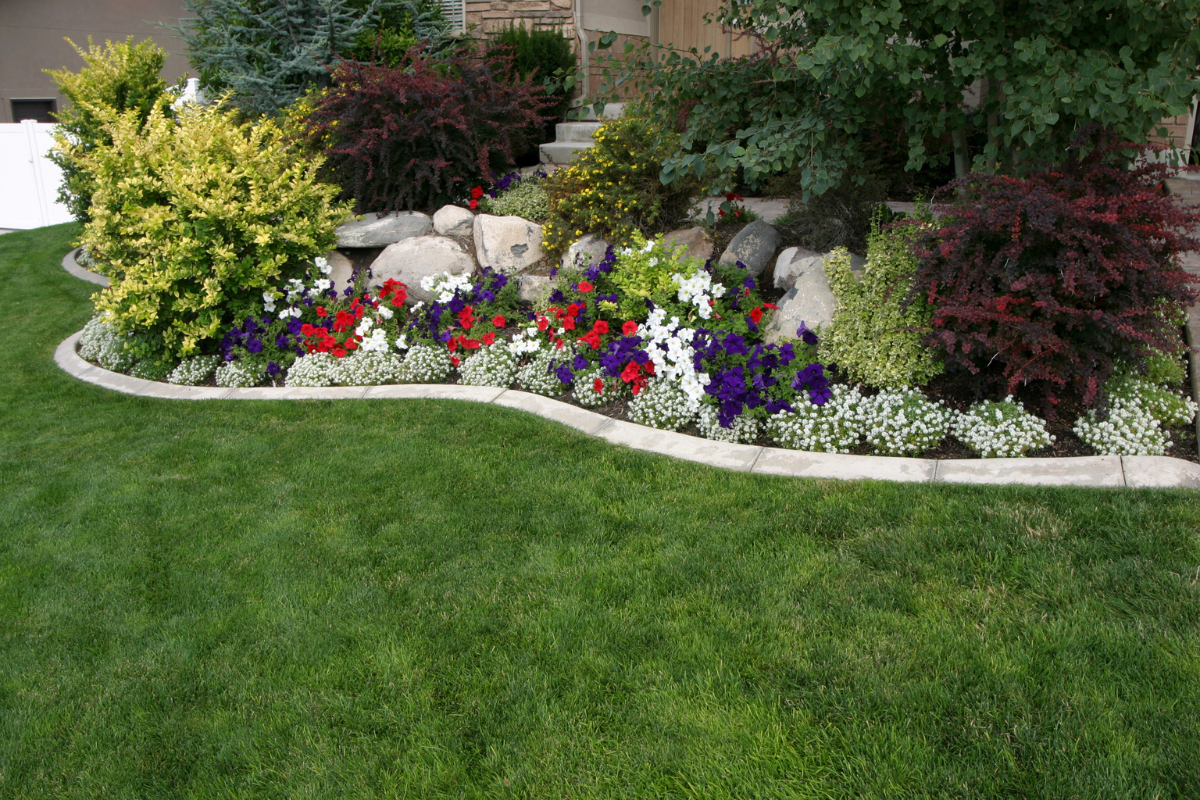
Plants are the emotional heart of garden landscaping. They soften edges, mark seasons, and frame views. The trick is to choose them for growth habit and cultural needs, not just flowers. On typical lots, you want layers: canopy trees for structure, small ornamental trees for seasonal interest, evergreen shrubs for year-round backbone, deciduous shrubs for mass and bloom, and perennials and groundcovers to knit the soil. If that sounds like a lot, remember you do not plant it all at once. Phasing helps budget and allows you to watch how the space settles.
Right plant, right place remains the governing idea. In a sunny bed with good drainage, lavender, nepeta, salvia, and grasses like Pennisetum thrive with modest water. In a shady corner, clumping ferns, hosta varieties, and hellebores create texture. Avoid impulse-purchased shrubs planted under picture windows that grow to block light in five years. Your landscape design services provider should present a plant list with mature sizes, spacing, and maintenance notes, then walk the site with flags so you can see the layout before digging. It may look sparse on day one. That is intentional. Crowded beds invite disease and pruning headaches later.
Native or climate-adapted plants deserve a serious look, not for slogans but for performance. In arid regions, native-adjacent species paired with drip irrigation cut water use by 30 to 60 percent compared to cool-season turf-heavy designs. In the Southeast, using disease-resistant crape myrtles or camellias avoids repeated chemical treatments. If pollinators matter to you, keep bloom succession in mind so something flowers from April through October. A professional can map that out in a spreadsheet and translate it into the bed plan.
Lighting that guides, not blinds
Where lighting goes wrong, it feels like a runway. Great landscape lighting works quietly. It guides feet on steps, washes a tree trunk to show texture, and carries the eye across the space while keeping glare out of faces. Ask for a plan that includes fixture types, beam spreads, and wattage or lumen outputs. On most residential projects, warm white in the 2700 to 3000 Kelvin range looks natural. For path lights, you want a low, wide pool of light; for trees, a narrow beam that reaches the canopy. Avoid evenly spaced “soldier” path lights. Instead, light key turns or grade transitions and let your eyes complete the path.
Consider control systems. A basic astronomic timer turns on at dusk and off at a set hour, adjusting daily for sunrise and sunset. If you plan zoning for different scenes, ask for separate runs and transformers so you can dim or switch certain areas on their own. LED fixtures last much longer than halogen and draw less power, but quality varies. A reputable landscaping company will specify fixtures with solid warranties and serviceability.
Lawn care that supports the bigger vision
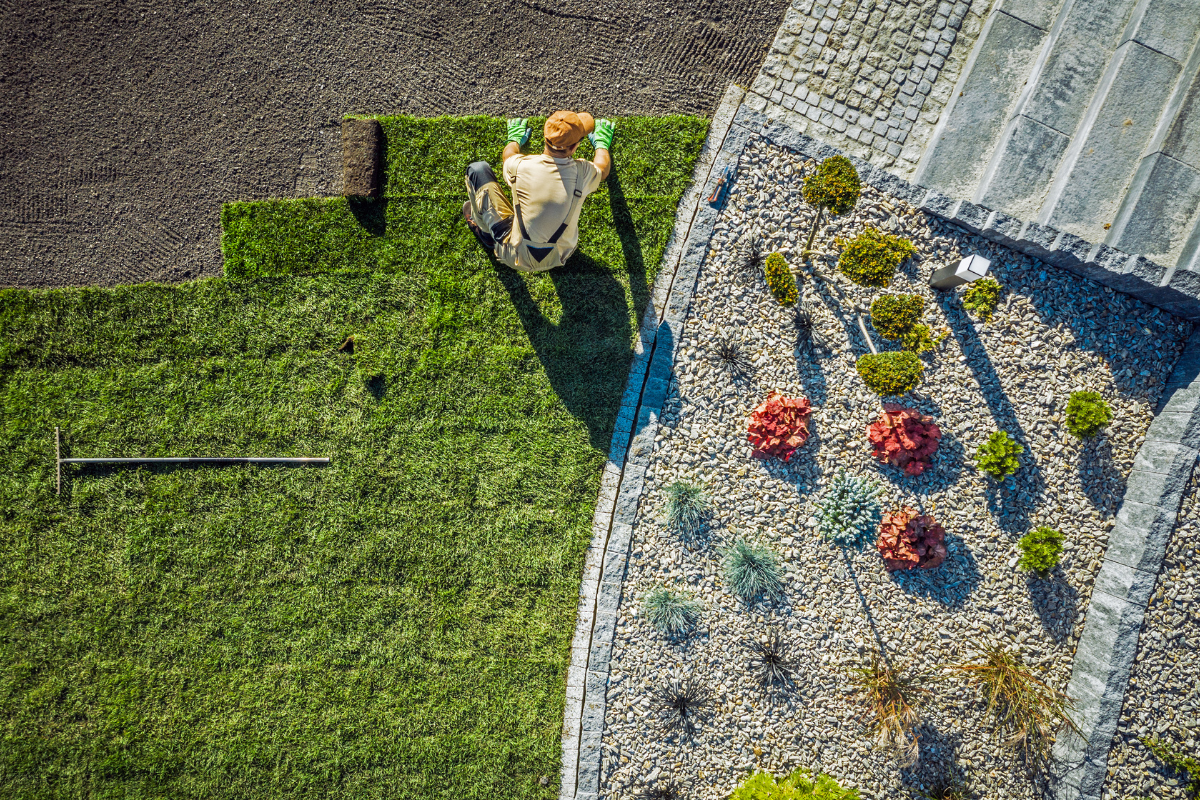
Even if you reduce turf, you probably want some lawn. A small, well-kept lawn reads as an intentional green plane. The key is to size it to your use. If you do not need a quarter acre for soccer, a 300 to 600 square foot patch can be perfect for lounging and easy to maintain with an electric mower. Soil prep makes or breaks the lawn. You want 4 to 6 inches of quality topsoil over a graded subbase, with a smooth transition to hardscape. For cool-season turf like fescue or bluegrass, overseed in fall at recommended rates, then follow a pre-emergent schedule to block crabgrass in spring. In warm-season regions, consider Bermuda or Zoysia. They green up later but withstand heat and foot traffic.
I have seen many lawns fail because irrigation was tuned for plants, not turf. Lawn zones need uniform precipitation and head-to-head coverage. Drip for beds, rotors or MP rotators for turf. Smart controllers tied to local weather stations save water and reduce fungal issues. If you are new to lawn care, a landscape maintenance services contract that includes mowing heights, seasonal fertilization, and aeration at least once a year will keep the lawn healthy and prevent compaction.
Irrigation and water management
Watering is not about more, it is about fit. Drip irrigation in beds puts water where roots need it, reduces evaporation, and keeps foliage dry. Turf needs different delivery. A competent landscaping service will break zones by sun exposure, plant type, and microclimate. Slopes require shorter, more frequent cycles to prevent runoff. In heavy clay, longer intervals between watering sessions encourage deeper roots. Add a rain sensor or, better, a soil moisture sensor. These do not just save water, they protect plants from rot.
Stormwater deserves the same attention. If downspouts dump onto a patio, you are asking for ice in winter and slick algae in summer. Tie them into buried drains directed to daylight or a rain garden sized to your soil’s infiltration rate. In many municipalities, you can get a small rebate for reducing runoff from your property, especially if you disconnect from the combined sewer system. Your landscaping company should be familiar with local programs and design criteria.
Budgeting with eyes open
Sticker shock often comes from misaligned expectations. Landscaping is construction plus horticulture, with crews that include masons, carpenters, electricians, and plant experts. Costs vary widely by region and scope, but a few ranges help frame reality. Simple plantings with bed prep and mulch might run $10 to $20 per square foot of planted area. Mid-range projects with a patio, planting, lighting, and irrigation tend to land between $30 and $60 per square foot of improved area. High-detail projects with walls, outdoor kitchens, custom carpentry, and premium stone can exceed $100 per square foot in busy markets.
Phasing is your friend. Start with grading, drainage, and hardscape. Run sleeves under paths for future electrical or irrigation while trenches are open. Plant canopy trees early so they can start growing. Add beds and features as budget allows. A good landscape design services team will help prioritize without creating dead ends. Ask for a master plan that shows the whole vision, with clear phase lines and cost opinions for each phase. This keeps you from paying twice to rework the same area.
Choosing the right landscaping company
This partnership matters. You are inviting a crew to shape your property and then, ideally, to care for it. Beyond portfolios and online reviews, look for fit in communication and process. You want someone who asks good questions and pushes back when a choice will compromise performance. On one project, a homeowner insisted on pea gravel for a main path. It looked lovely, but he used a rolling cart to move firewood. We swapped to a stabilized gravel binder that locked the surface while keeping the aesthetic. That kind of judgment comes from experience.
The contract should include a detailed scope, material specifications, a payment schedule tied to milestones, and warranty terms. Plant warranties often cover one growing season, provided the landscaping service handles irrigation and maintenance or you follow their care guidelines. Hardscapes typically have longer warranties, but they hinge on proper base prep and drainage, which must be documented. Ask how the company handles change orders, and expect them to price those in writing before work proceeds.
Maintenance that keeps the oasis thriving
The best design will slide downhill without consistent care. Landscape maintenance services exist to protect your investment and keep the space at its best. This is not just mowing. A comprehensive plan includes pruning at the right time for each species, fertilization based on soil tests rather than guesses, integrated pest management that uses threshold-based treatment, irrigation audits, seasonal mulching, and consultation on edits as the garden matures. The aim is to keep plants vigorous, not to clip them into submission.
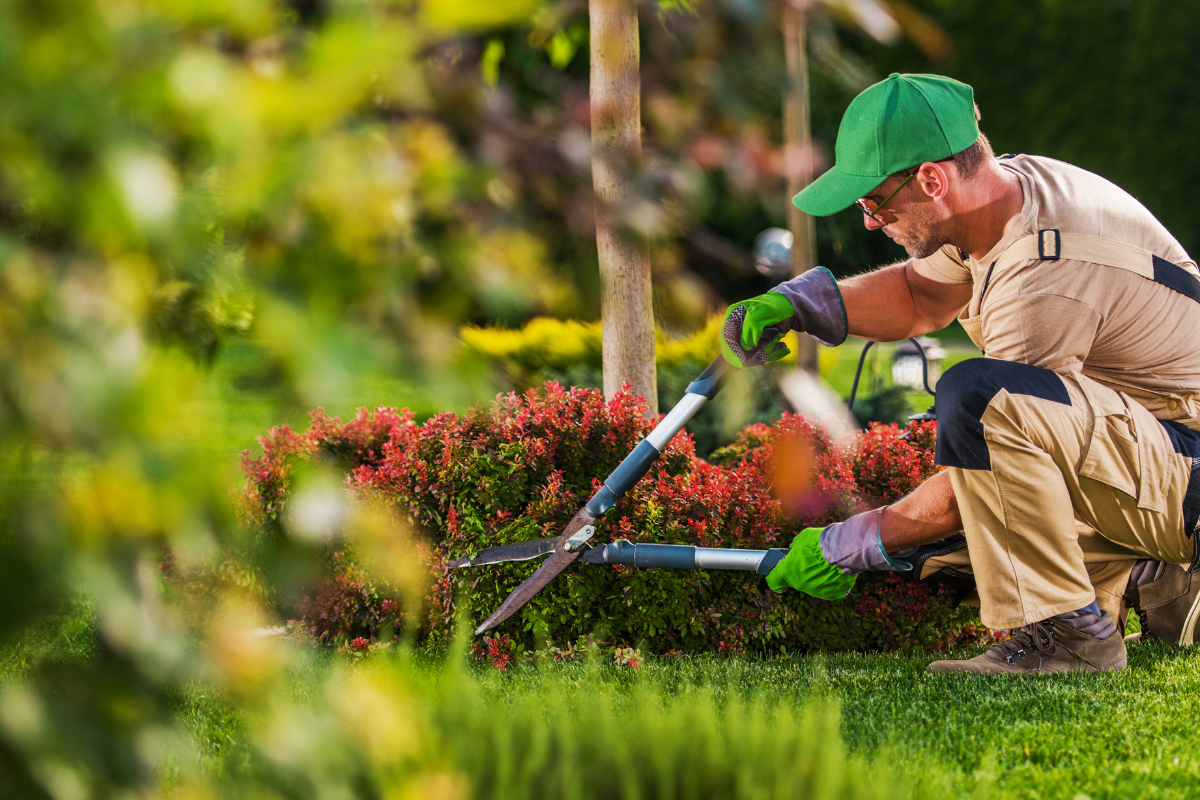
Pruning deserves special mention. Many shrubs are sheared into balls because it is quick, but it ruins natural form and forces dense outer growth that shades out the interior. A skilled crew thins selectively, cutting at branch junctions to preserve shape and encourage airflow. Trees need structural pruning when young to avoid hazard pruning later. If a tree is near power lines or shows signs of disease, bring in a certified arborist. It costs less to correct early than to remove a failed mature tree.
For lawns, maintain sharp mower blades and adjust height seasonally. In heat, higher mowing heights reduce stress. Aerate compacted areas and topdress thin spots with compost. For beds, maintain a 2 to 3 inch mulch layer to moderate soil temperature and suppress weeds, but keep it off trunks and crowns to prevent rot. Drip lines benefit from periodic flushing and filter cleaning. Lighting systems should be checked once or twice a year to reposition fixtures as plants grow.
Sustainability without sacrifice
Sustainable landscaping is less about labels and more about systems that use fewer inputs to deliver the same or better experience. Three practical areas offer high return.
First, water. Drip irrigation, mulch, and hydrozoning can trim water use dramatically. If your property allows, a small cistern that captures roof https://zanehdqr744.trexgame.net/pet-friendly-landscaping-durable-safe-yard-solutions runoff can feed drip zones for beds. A 500 to 1,000 gallon tank offsets a surprising number of irrigation cycles in shoulder seasons.
Second, materials. Local stone reduces transportation emissions and often looks more natural in context. Recycled content pavers and composite decking have come a long way in quality. When specifying wood, ask for species that last outdoors in your climate. In the Pacific Northwest, tight-grained cedar or thermally modified ash holds up. In the Southeast, Ipe or cypress, properly detailed and ventilated, lasts. Detailing matters more than species. Keep end grains protected, allow airflow beneath decks, and avoid ground contact where possible.
Third, habitat. You can support birds and beneficial insects by mixing plant structures and leaving some seed heads through winter. A tidy garden does not have to be sterile. A small brush pile tucked out of view and a shallow basin for water create life. If you are concerned about mess, design intentional zones where nature can be a little looser, then keep edges crisp. It is the contrast that reads as cared-for.
Common pitfalls and how to avoid them
A few patterns repeat across properties and budgets.
- Overplanting. It looks lush on install day, then becomes a pruning battle. Stick to mature size spacing, even if the bed feels open the first year. Ignoring drainage. Fixing soggy areas after the patio goes in costs far more than grading and drains planned early. Watch the site during a storm before finalizing the design. One-note plant palettes. A garden of all boxwood and hydrangea can look flat out of season. Aim for four-season interest by mixing evergreen structure with deciduous color, bark texture, and winter silhouettes. Lighting glare. Fixtures installed without shielding or proper placement create harsh hotspots. Test at night before finalizing positions. Maintenance left vague. If you are not clear who does what after installation, things slip. Get a written maintenance scope for the first year, whether you hire it out or take it on yourself.
A realistic path from blank slate to refuge
The timeline for an outdoor oasis depends on scale, permitting, and season. A modest project with a patio, planting, and irrigation might move from design to completion in 6 to 10 weeks, assuming good weather and material availability. Larger builds with walls, carpentry, gas, and electrical can stretch to several months. Good sequencing keeps things efficient. Demo and grading first. Underground utilities and drainage next. Hardscape base, then vertical elements like walls and pergolas. After that, set irrigation and lighting conduit, then lay pavers or pour concrete. Planting comes at the end, followed by mulch and a thorough cleanup. A final walkthrough with the landscaping service should include irrigation programming, lighting control settings, and a care schedule for the first 8 to 12 weeks, when establishment matters most.
If you plan ahead, fall and early spring are excellent times to plant trees and shrubs. Roots grow even while top growth slows, which sets plants up to handle summer heat. Turf schedules follow climate. Cool-season lawns shine with fall seeding. Warm-season turf installs in late spring as soils warm.
What a professional brings that DIY cannot
Plenty of homeowners can tackle parts of a landscape. If you enjoy projects, paint the fence, build a small raised bed, or install low-voltage path lights. The bigger value of a professional team lies in coordination, foresight, and warranty. They size footings correctly, coordinate inspections, choose plant cultivars that resist local diseases, route irrigation lines to avoid future tree roots, and document everything so repairs are straightforward. They also see the second-order effects. A pergola placed wrong casts shade on the wrong months. A retaining wall without a drain clog-proofing detail will weep and stain the face. A well-run landscaping company prevents those mistakes.
The other value is time. A homeowner might spend weekends for a year piecing together a space that a crew can deliver in weeks. Neither approach is wrong. The question is what fits your life. If you want a cohesive outdoor oasis sooner and maintained to a high standard, look for a team that offers integrated landscape design services and follows through with landscape maintenance services tailored to your property.
Living in the space
The most successful landscapes are used. Put furniture in place early, even if it is not the final set, and notice where you actually sit. You may find the morning coffee spot needs a small shade sail or that the grill wants a prep shelf you did not plan. A good landscaping service will adjust small details after you live with the space. Plants will reveal their habits, too. A perennial that flops may need a neighbor for support or a move to more sun. Make notes for the maintenance crew or for your own weekend list.
Over the first two years, the garden will knit together. Trees root in, shrubs bulk up, perennials spread. That is when the oasis feeling deepens. The sound of water settles into the background, lighting finds the exact angles you prefer, and pathways start to feel inevitable rather than new. It is worth the patience.
An outdoor oasis is not a static set piece. It is a living extension of your home that rewards care with more beauty and ease each year. With a thoughtful plan, a capable landscaping company, and consistent maintenance, you can build a space that invites you outside and makes the property feel bigger than the lot line suggests. Whether your vision is a compact courtyard with herbs and a bistro table, or a layered backyard with a cooking terrace, lawn, and perennial borders, the approach is the same: respect the site, design for how you live, and maintain with intention. The result is comfort that lasts.
Landscape Improvements Inc
Address: 1880 N Orange Blossom Trl, Orlando, FL 32804
Phone: (407) 426-9798
Website: https://landscapeimprove.com/